
Healthcare
Registered Nurse Resume Example & Guide
Nurse recruiters scan for four things in seconds: your license (and whether it is compact), your certifications, the units you have worked, and your EHR experience. A strong RN resume surfaces all four in the top half of page one, then uses the experience section to show patient populations, ratios, and the clinical judgment behind them.
Pro Resume Builder adapts to healthcare when you set your career area — suggesting clinically phrased bullets rather than corporate filler — and its ATS check scores your resume against a specific job posting, which matters because most health systems screen applications with tracking software.
What a strong registered nurse resume shows
- License and compact status. RN license with the state and whether it is a multistate license under the Nurse Licensure Compact (NLC), plus your degree — ADN or BSN — since many systems filter on it.
- Certifications, spelled exactly. BLS and ACLS (and PALS or NRP where relevant), plus specialty certifications like CCRN or CEN if you hold them — with expiration dates current.
- Unit, population, and ratios. Med-surg, ICU, ED, L&D — with typical patient ratios and acuity. "ICU, 1:2 ratio, post-surgical and ventilated patients" tells a manager exactly where you fit.
- EHR systems by name. Epic, Cerner, or Meditech experience — including order entry, documentation, and barcode medication administration. EHR familiarity shortens orientation and managers know it.
- Clinical scope in concrete terms. Medication administration, assessments, care planning, patient and family education, and the procedures you assist with — written as practice, not as a skills word-cloud.
- Leadership and precepting. Charge shifts, precepting new grads, committee work, or unit council participation — the signals that you raise a unit’s baseline, not just fill a slot.
A good template for registered nurse resumes
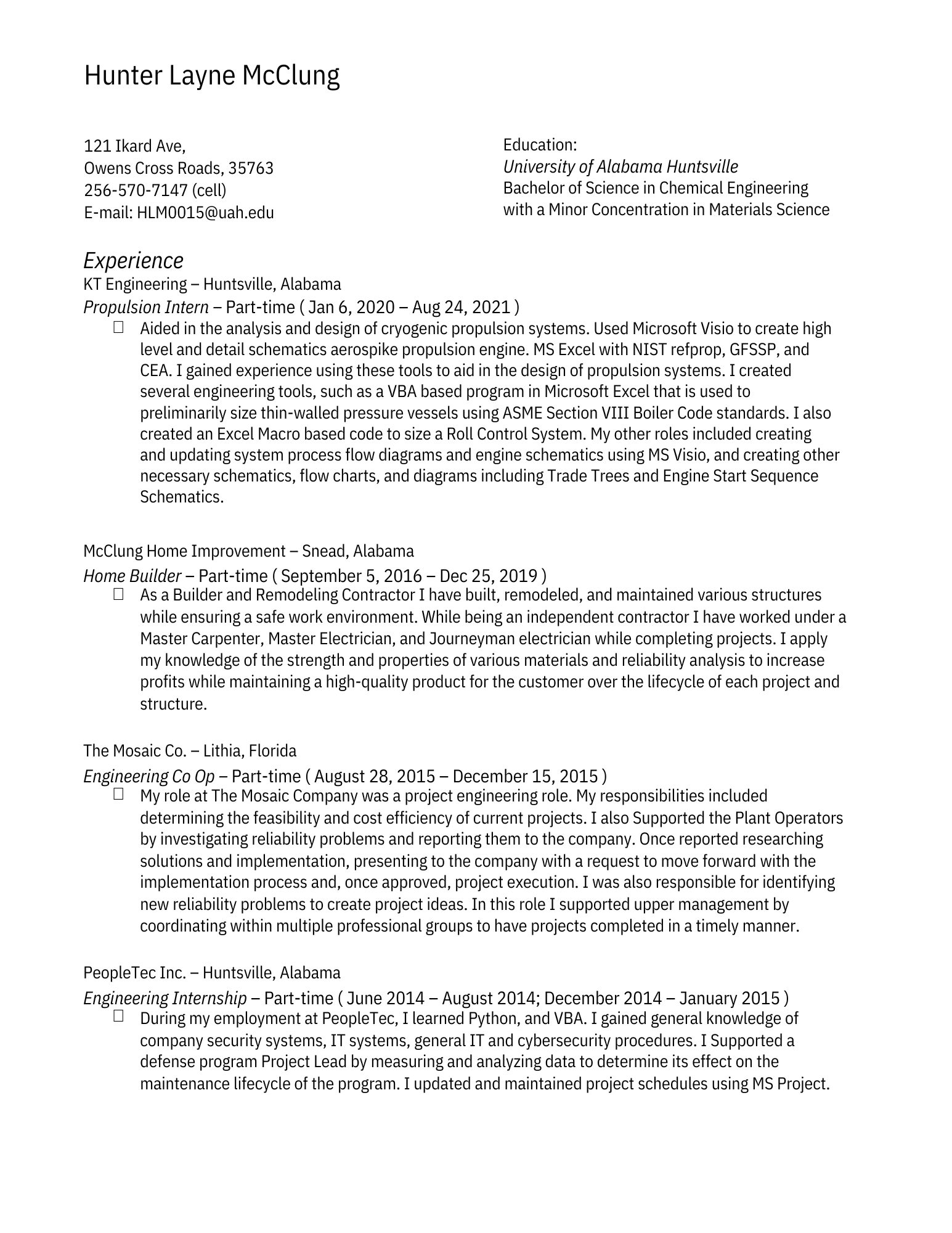
The Classic template
The Classic template’s traditional single-column layout matches what hospital recruiters and nurse managers expect, and parses cleanly through health-system application software.
Every template is built from the same structured content, so you can switch designs without retyping anything.
Browse all templates →Frequently asked questions
How do I list my nursing license on a resume?
In a licenses section near the top: "Registered Nurse — [State], multistate (NLC)" with the expiration year. You generally do not need to print the license number; recruiters verify through the state board or Nursys either way.
New grad RN — what goes on my resume before my first job?
Lead with your degree, license, BLS/ACLS, and clinical rotations — units, hours, and the skills you practiced. Include preceptorship or capstone details and any tech, CNA, or EMT experience. Managers hiring new grads look for clinical exposure plus evidence you show up reliably.
Should I tailor my RN resume to each unit I apply to?
Yes — reorder so the most relevant unit experience and certifications lead. An ED posting should see your ED and telemetry time first, not a chronological wall. Tailoring the summary and top bullets per posting measurably changes what a screener sees first.
How far back should nursing experience go?
Ten years of detail is usually enough; older roles can be one-line entries. Keep every role that shows a distinct patient population or specialty, and account for gaps honestly — travel contracts, family leave, or education all read fine when stated plainly.
Build your registered nurse resume with AI that speaks your field — and see how it scores against a real job posting before you apply.
Build your resumeQuestions about plans? See pricing