
Healthcare
Medical Assistant Resume Example & Guide
Medical assistants sit in the middle of the clinic — half clinical, half administrative — and the strongest MA resumes show both halves explicitly. Practice managers look for your credential, your hands-on clinical skills, your EHR fluency, and evidence you keep a provider’s day running on time.
With your career area set to Healthcare, Pro Resume Builder phrases suggestions in clinic vocabulary — rooming, vitals, prior authorizations — and its ATS check scores your resume against a specific posting before you apply.
What a strong medical assistant resume shows
- Credential and training. CMA (AAMA) or RMA (AMT) certification if you hold one, or your accredited MA program and externship. Some states have specific requirements — list what applies to yours.
- Clinical skills you perform routinely. Rooming and vitals, phlebotomy, EKGs, injections and immunizations, specimen collection, and point-of-care testing — named individually, not compressed into "clinical duties".
- Front-office competence. Scheduling, check-in and check-out, insurance verification, referrals, and prior authorizations. Dual-threat MAs are the ones practices fight to keep.
- EHR systems by name. Epic, athenahealth, eClinicalWorks, or whatever you have charted in — including order entry and patient messaging. EHR names are common screening keywords.
- Volume and pace, honestly stated. Patients roomed per day, providers supported, and phone or portal message volume — real workload facts that show you can keep clinic pace.
- Compliance awareness. HIPAA-conscious handling of records and communication, plus familiarity with ICD-10 and CPT codes if your role touched billing.
A good template for medical assistant resumes
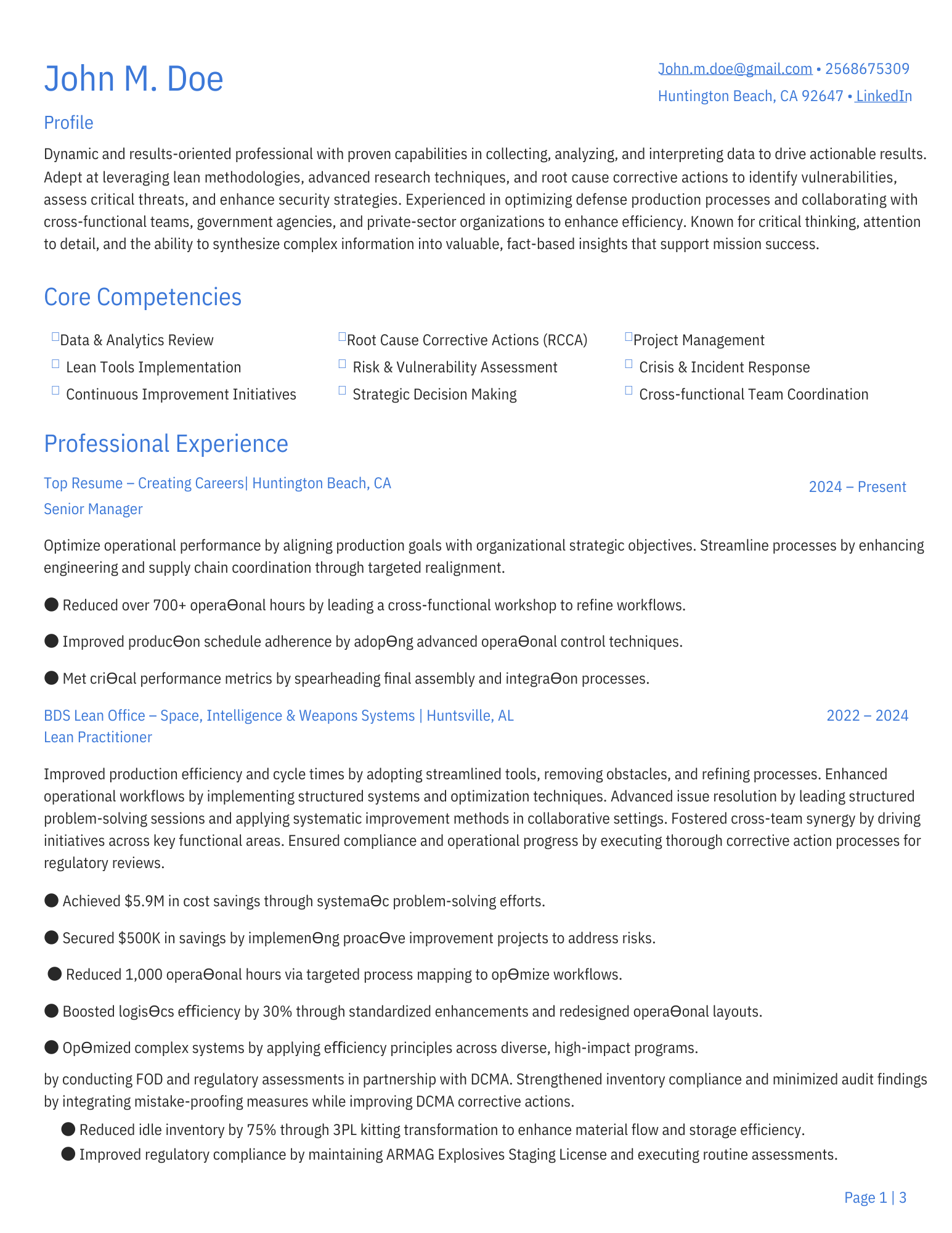
The Modern template
The Modern template’s Core Competencies section handles the MA’s split skill set — clinical on one line, administrative on the next — before a clean chronological history.
Every template is built from the same structured content, so you can switch designs without retyping anything.
Browse all templates →Frequently asked questions
Do I need CMA or RMA certification to get hired?
It depends on the state and the practice — many hire uncertified MAs from accredited programs, while others require certification for delegated clinical tasks. List whichever you have precisely, and if you are scheduled to sit the CMA exam, say so with the date.
How do I show both clinical and administrative skills without clutter?
Split them into two labeled skill groups — clinical (phlebotomy, EKG, injections) and administrative (scheduling, insurance verification, prior auths) — then let each job’s bullets show the mix in practice. Readers can then match you to how their clinic divides the work.
Which numbers make a medical assistant resume stronger?
Patients per day, providers supported, and any measured improvements you genuinely contributed to, like reduced no-show rates from reminder calls you owned. Only use numbers you can stand behind in an interview.
I am a new MA graduate — what about my externship?
Treat it like a job: the practice type, weeks and hours, and the skills you performed on real patients. Pair it with your program, credential status, and any customer-facing work history — practices hiring new grads are betting on trainability and professionalism.
Build your medical assistant resume with AI that speaks your field — and see how it scores against a real job posting before you apply.
Build your resumeQuestions about plans? See pricing